
Carbon management
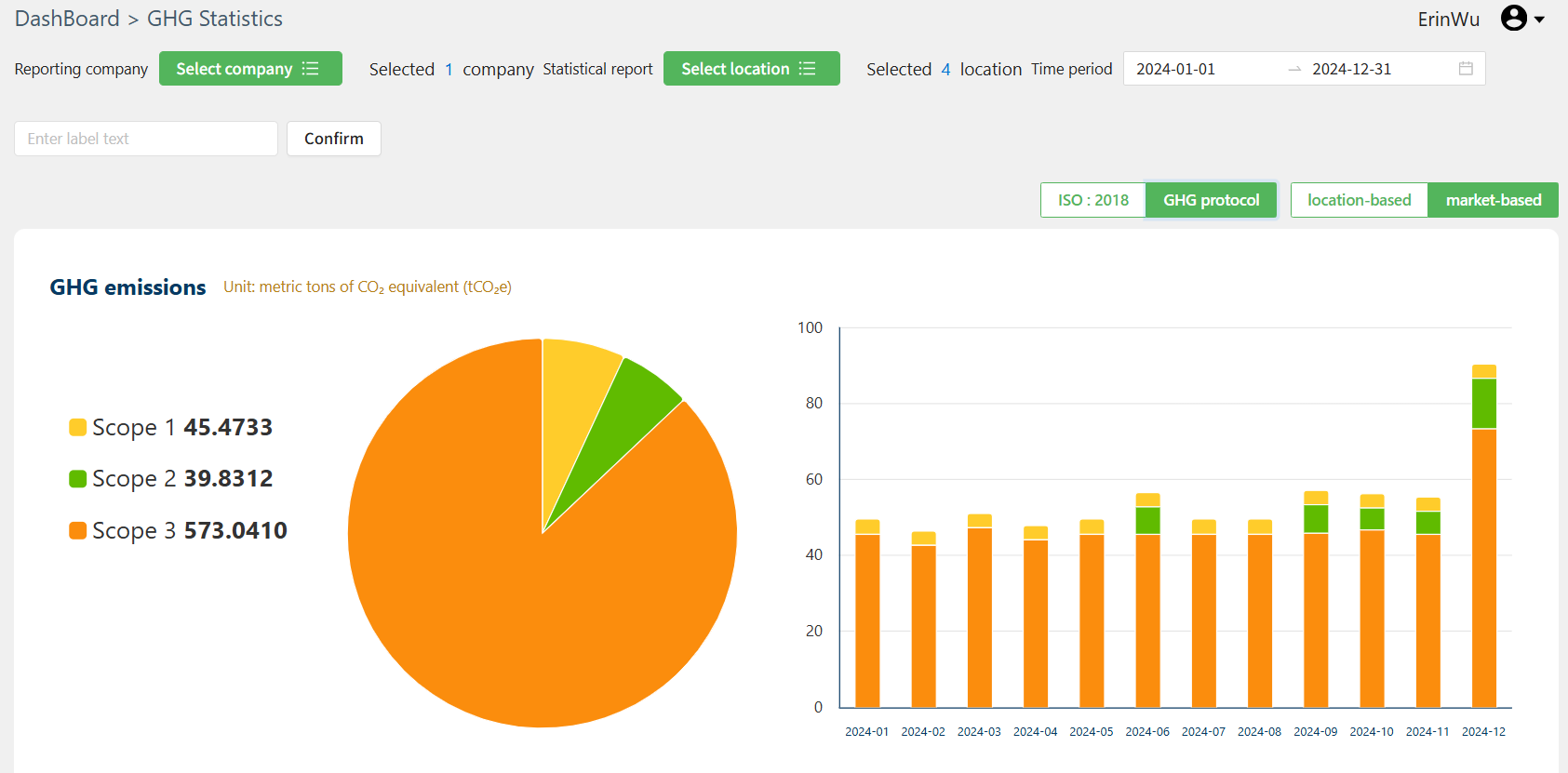
Understand emissions data from organizations, products, and employee actions.
Startrust combines sustainability management systems and consulting to help organizations manage carbon inventories, disclosure, supply chains, and energy so the system keeps operating after implementation.
Start with the management problem you are solving, then connect it to the right system, consulting service, and practical knowledge.
Build organizational boundaries, emissions data, and product life-cycle information that can be traced and updated.
Connect disclosure requirements, indicator collection, and cross-department collaboration to track reporting and performance.
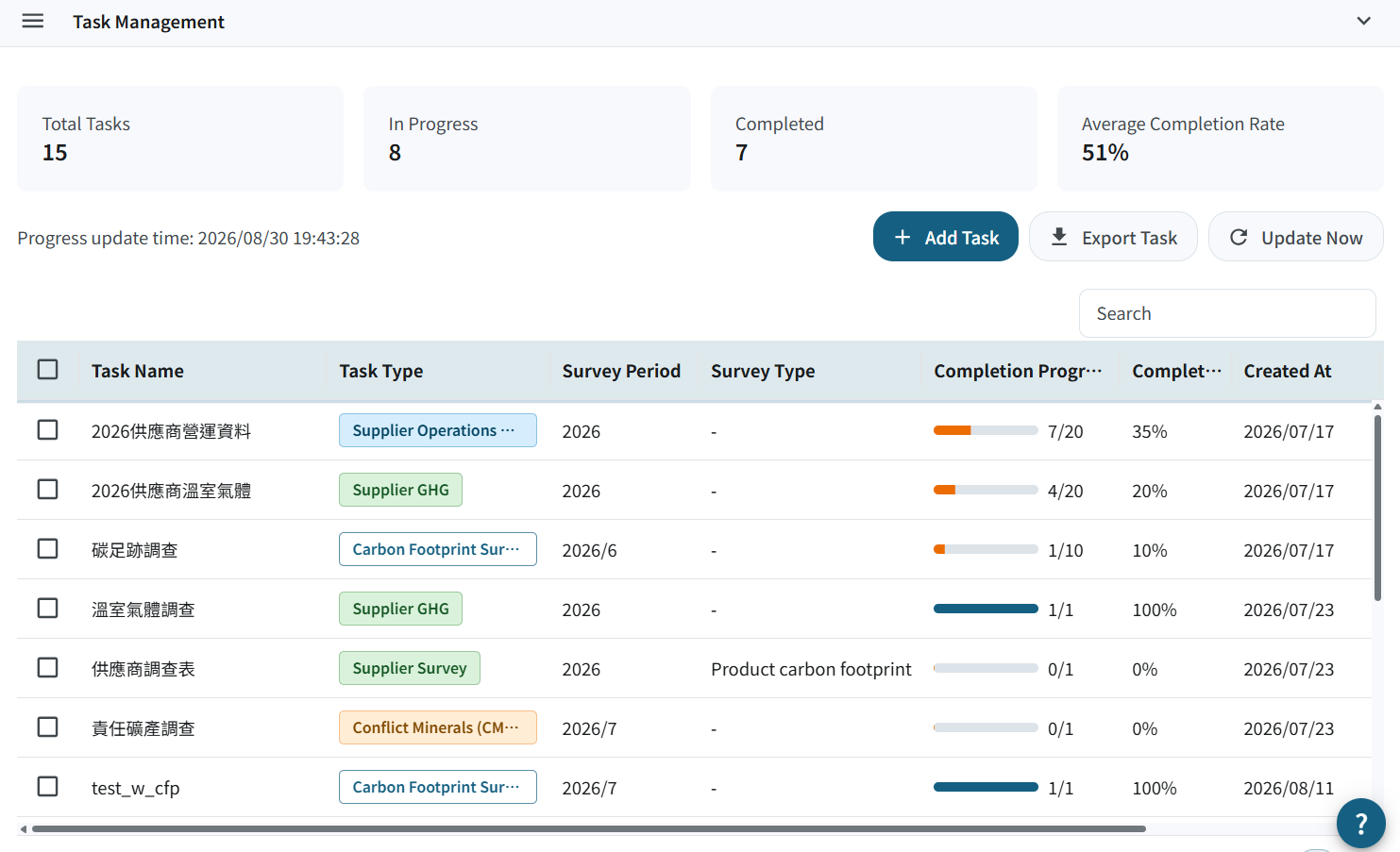
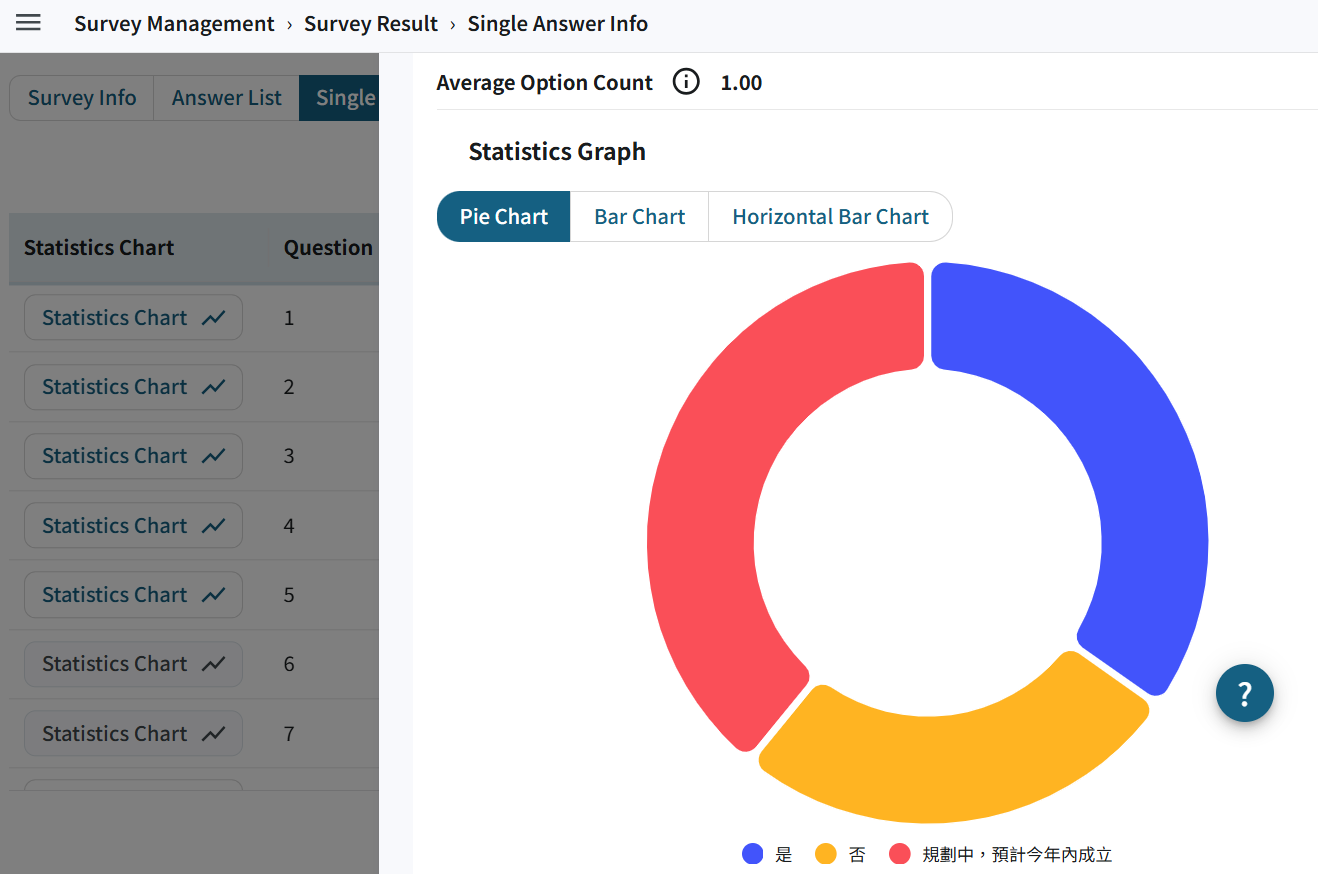
Manage supplier questionnaires, responsible-minerals due diligence, and risk information in one place.
From energy reviews and performance indicators to improvement actions, build a management mechanism that keeps operating.
From data collection and permission-based collaboration to outcome tracking, give every management task a clear workflow and record.
View all solutions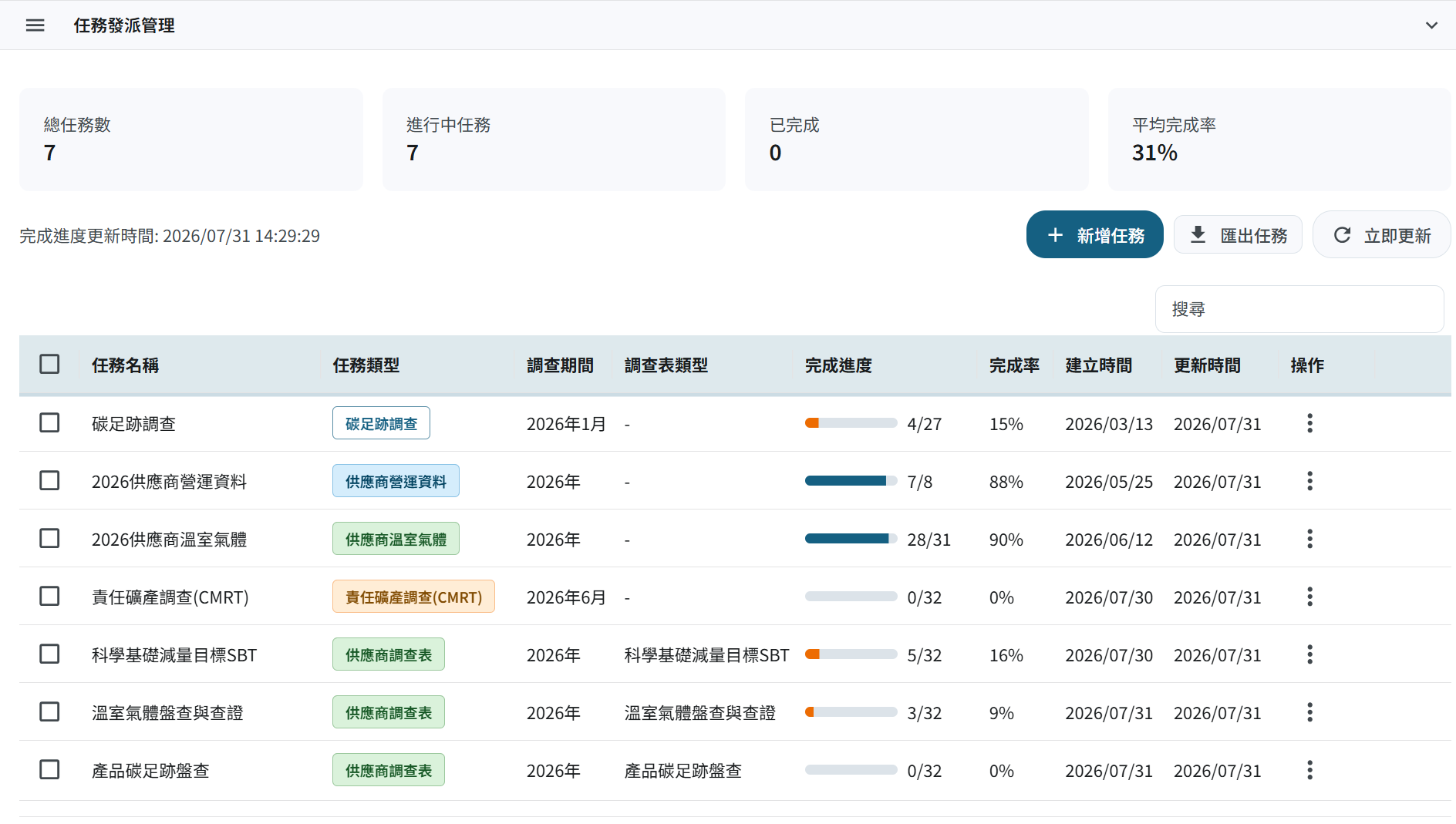
Understand emissions data from organizations, products, and employee actions.
Give cross-department reporting, review, and performance tracking a consistent workflow.
Connect survey tasks, response progress, and supply-chain risk management.
Connect energy data, performance baselines, and continual-improvement actions.
We arrange the work based on your current state and applicable requirements so system design, data preparation, and improvement can continue in sequence.
Clarify organizational needs, applicable requirements, and existing data.
Confirm boundaries, ownership, workflows, and management documents.
Work across departments to collect data and move improvements forward.
Review results so the system can operate consistently.
Build organizational boundaries, emission-source registers, quantification methods, and verification readiness.
Build a sustainability- and climate-related financial disclosure structure across governance, strategy, and risk management.
From material topics and stakeholder engagement to drafting, build a consistent and readable sustainability report.
Establish energy reviews, performance indicators, baselines, and continual-improvement mechanisms.
Build responsible-minerals due diligence, supplier communication, and risk-management processes.
Manage supplier sustainability data, questionnaire progress, and response results to understand supply-chain risk.
Understand standards, establish systems, and move cross-department management work forward.
Turn scattered forms, evidence, and indicators into workflows that can be executed and tracked over time.
Connect operational and field data to reduce repeated collection, manual consolidation, and version conflicts.
Search practical articles or browse by industry, management topic, standard, or regulation.
During each customer questionnaire, annual inventory or audit period, energy industry managers often need to reorganize fuel, power generation, equipment efficiency, fugitive emissions, project contracting and supply chain data. The real difficulty is usually not filling in the last number, but the scattered information, different calibers, and confirming who provided it, who reviewed it, and why the previous version was modified. When the energy industry dealt with energy management in the past, each unit often collected fuel, power generation, and equipment efficiency based on their own forms and understandings.
Is it enough to deal with the product carbon footprint if existing management or relevant information has been completed? For the semiconductor industry, the answer is often not that simple. The boundaries, methods and evidence of concern are not exactly the same for different standards, clients and management purposes. Product carbon footprint needs to define functional units and life cycle boundaries, and convert activity data in raw material, manufacturing, transportation, use and disposal stages into carbon dioxide equivalents. In the past, when the semiconductor industry dealt with the carbon footprint of its products, each unit would
The requirements for the aerospace industry from international OEMs, defense customers, certification units and multi-tier suppliers are gradually moving from policy commitments to specific data, calculation basis and improvement records. In terms of product carbon footprint, companies must not only hand over results, but also explain data boundaries, methods, division of responsibilities and evidence. If you wait until you receive a questionnaire or verification notice before reorganizing it every time, it is easy to have inconsistent versions, and it will be difficult to provide credible information within the deadline. When the aerospace industry used to deal with product carbon footprints
Startrust combines sustainability consulting, information systems, industrial control, and energy-management capabilities to help organizations move from planning and data collection to a management mechanism that keeps operating.
About StartrustTell us about your management needs, industry, or requirements. The Startrust team will help you find the right implementation direction.